
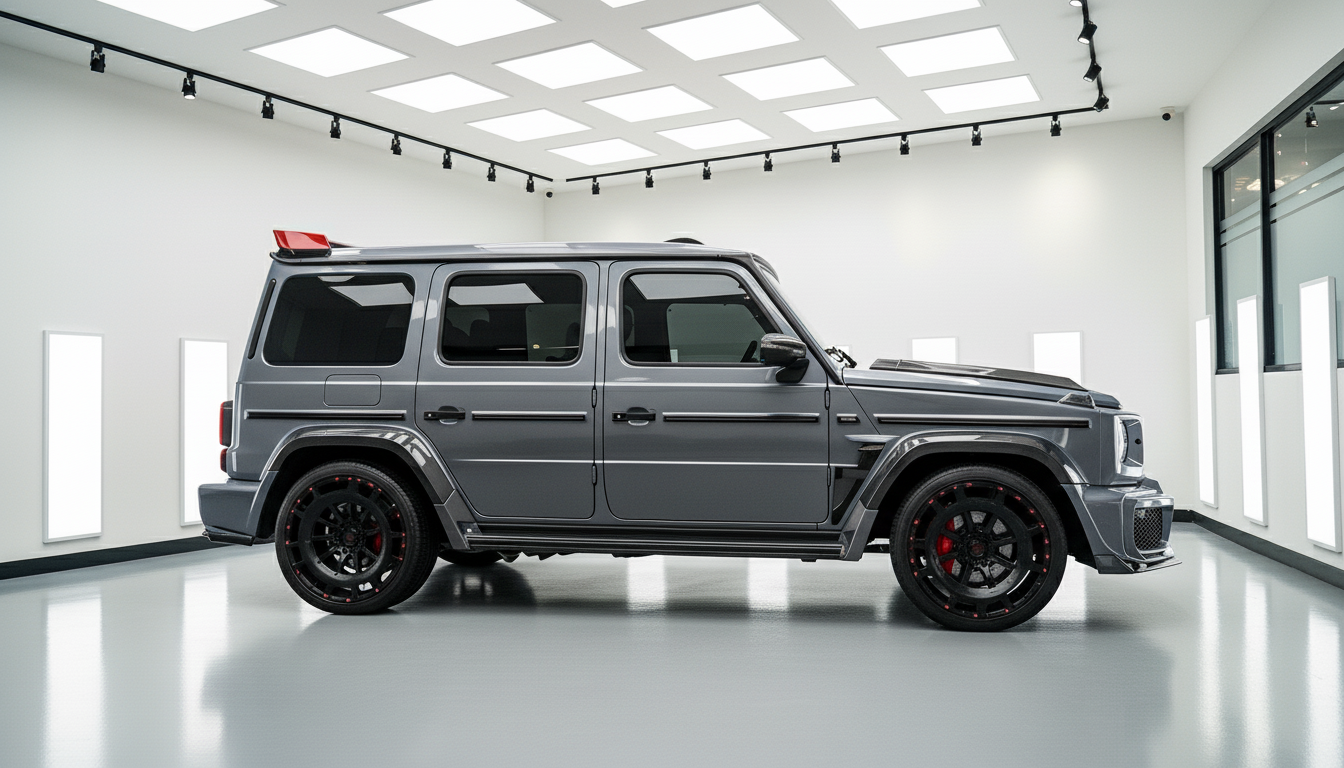
Car Body Repair & Painting in Dubai
Whether restoring minor parking scratches, performing paintless dent repair, or rebuilding structural panels after a major collision, we guarantee a factory-fresh finish. We utilize advanced spectrophotometers, premium baking ovens, and OEM parts.
Our Body & Paint Services
Complete cosmetic and structural restoration for every type of vehicle damage.
Collision Repair & Frame Realignment
Computerized laser measurement and hydraulic frame pulling restore chassis dimensions and crumple-zone safety to factory specifications.
Paintless Dent Repair (PDR)
Specialized metal rods massage minor dents from behind the panel, preserving original factory paint and maintaining resale value.
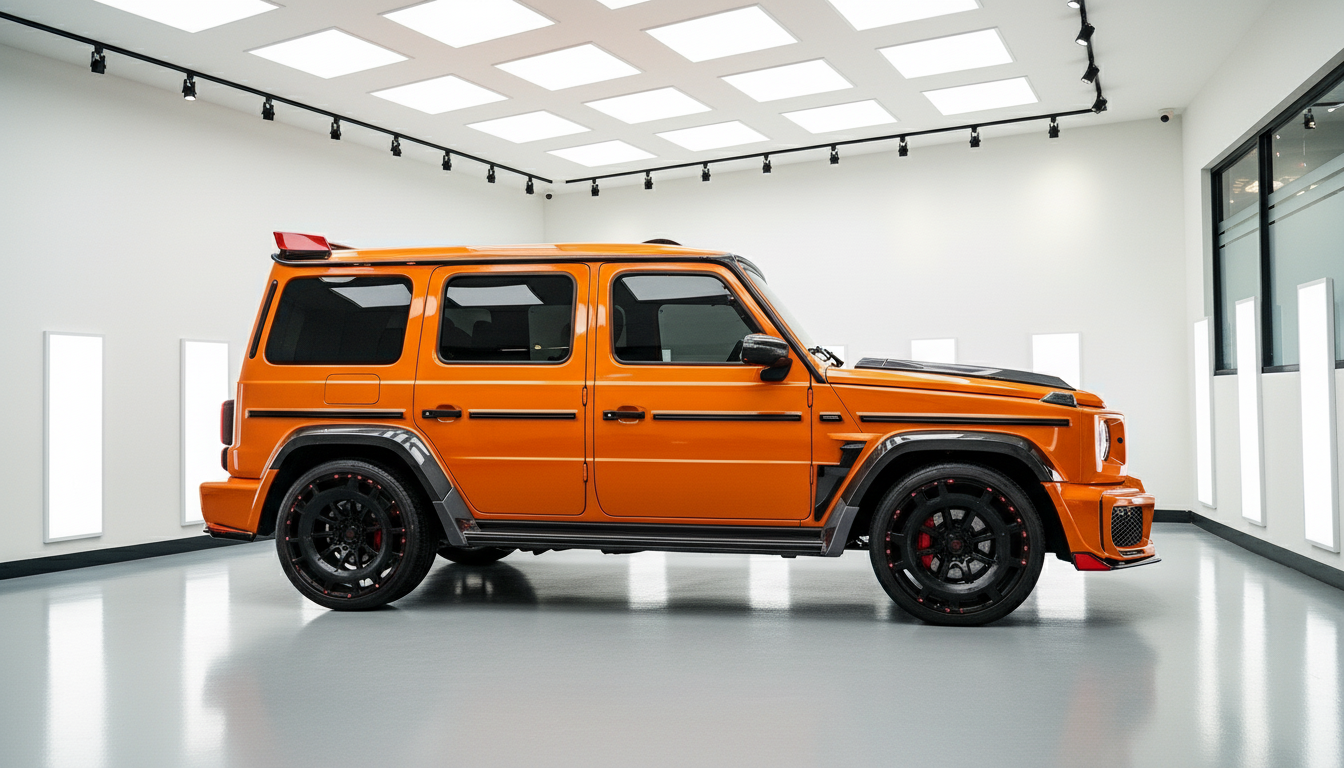
Computerized Paint Matching
Spectrophotometer scanning measures exact color wavelength and fading for a seamless blend with surrounding panels.
Panel Beating & Scratch Repair
Traditional metal straightening, premium filler work, sanding, and multi-layer refinishing for scratches, scrapes, and crash damage.
How It Works
Our streamlined process ensures a hassle-free service experience from start to finish
Book Your Service
Choose how you want to book. We're available across multiple channels for your convenience.
Phone
Our call centre operates daily. Call us at +971 56 777 6694.
Online
Make a booking online in just a few clicks.
Download the App
Book at the tap of a button with our mobile app.

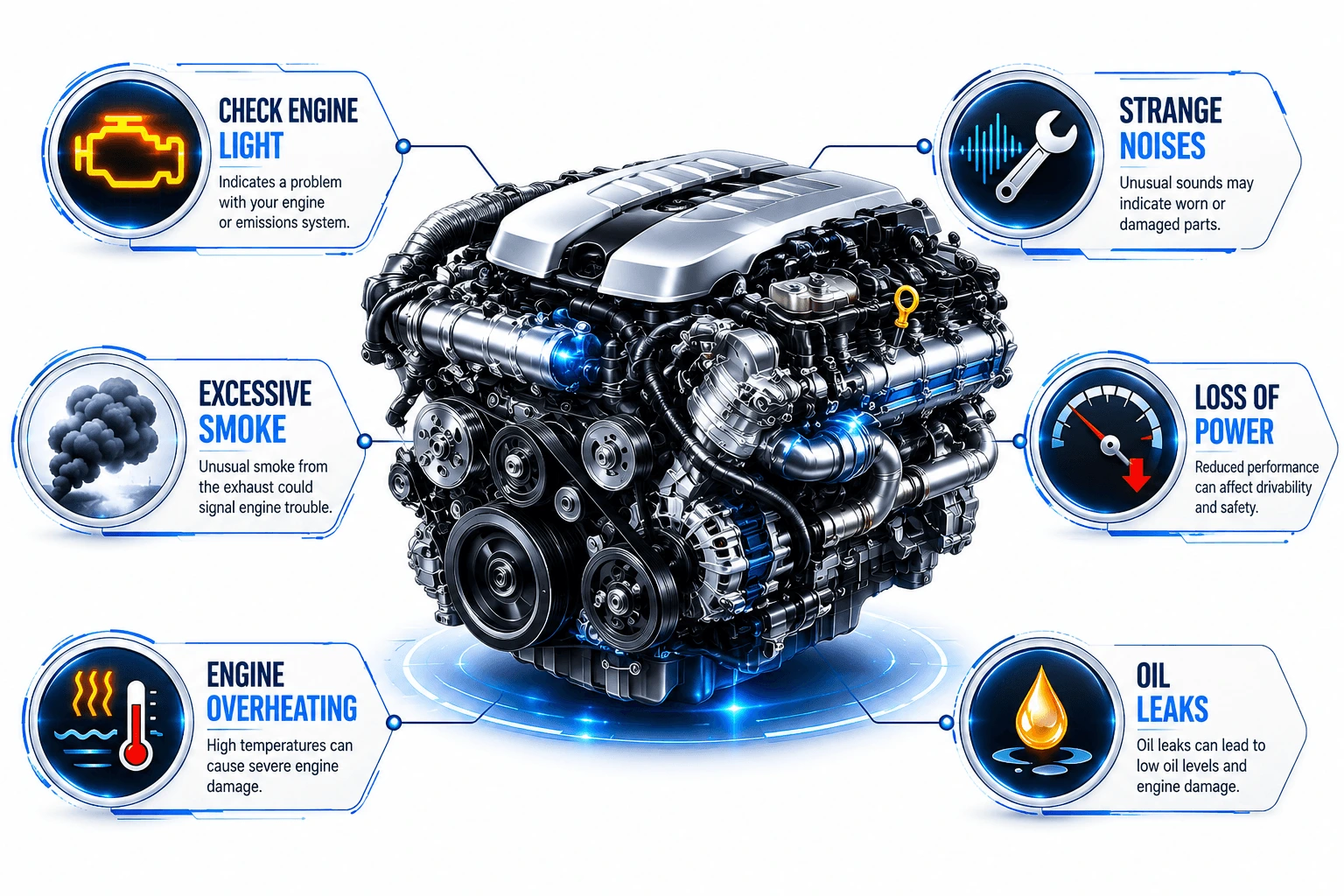
Signs Your Car Bodywork Needs Attention
Ignoring cosmetic damage can lead to rust, corrosion, and reduced resale value under the harsh UAE sun.
How to Protect Your Vehicle Finish
Simple habits that keep your paintwork looking showroom-fresh in the UAE.
Wash Regularly
Remove sand, dust, and salt deposits frequently to prevent micro-scratches and corrosion that degrade the clearcoat.
Apply Paint Protection
Ceramic coatings or paint protection film add a sacrificial layer against UV rays, sandblasting, and acidic bird droppings.
Park in Shade
Reducing cabin and panel temperatures slows clearcoat oxidation and preserves color depth.
Remove Bird Droppings Quickly
Acidic droppings etch clearcoat within hours in summer heat. Rinse them off as soon as possible.
Avoid Cheap Paint Jobs
Budget workshops skip surface preparation and use low-grade paints that fade, peel, and rust within months under Dubai sun.
Get Annual Inspections
A yearly professional assessment catches stone chips, seal failures, and early rust before they spread.
Expert Car Body Repair & Auto Painting in Dubai
A vehicle exterior is more than appearance — it is a structural envelope designed to protect occupants. Auto body repair combines mechanical engineering, metallurgical science, and detailed craftsmanship. Whether the damage is a minor parking scratch or structural deformation after a collision, restoring a car to pre-accident condition requires frame alignment, panel beating, computerized paint matching, and curing in controlled conditions.
Modern vehicles are designed with crumple zones that absorb impact energy and divert force away from the passenger cabin. Once these sections are bent or creased, their safety profile is compromised. Restoring structural integrity requires frame-alignment equipment that measures chassis dimensions down to the millimeter against factory specifications. Failing to realign a frame correctly means the vehicle may not protect occupants correctly in a future collision.
Achieving a mirror-like factory finish depends on a multi-layer coating system. Phosphate treatment prevents oxidation on bare metal. Primer-surfacer fills and sands smooth. Basecoat provides color, metallic flake, or pearl effect. Clearcoat is a protective polyurethane layer that blocks UV rays and provides gloss. In Dubai, UV radiation, silica sand at highway speeds, and acidic bird droppings constantly attack this system, so premium materials with UV blockers are essential.
Computerized spectrophotometer color matching is critical because paint fades over time. Mixing paint only by factory code often results in a visible mismatch against surrounding panels. We scan the existing finish to measure exact wavelength and fading, then mix a custom formula that blends seamlessly. All painting is carried out in positive-pressure downdraft spray booths with HEPA filtration and baking capability, ensuring a dust-free, durable finish.
Paintless Dent Repair is ideal for minor dents where the paint is unbroken. Technicians use high-carbon steel rods to massage the metal from behind, relying on metal memory and LED reflection boards to restore the original contour without fillers or repainting. This preserves factory paint, maintains value, and costs significantly less than conventional repair. For major damage, we use OEM parts, structural realignment, and insurance-approved repair standards. Contact 800 Motor to restore your vehicle to showroom condition.
Why Choose 800 Motor
800 Motor is all about making car service simpler, safer, and stress-free
Convenience
Book Anywhere
Book from home, office, or roadside across Dubai, Abu Dhabi, Sharjah, and beyond.
Pickup & Drop-off
We collect your car, coordinate the service, and return it when the work is done.
Quality
Certified Workshops
Verified garages and trained technicians handle the work with the right tools.
Warranty Protection
Repair warranty support and safe payment options give you confidence after booking.
Transparency
Live Updates
Stay informed with status updates throughout the service journey.
Transparent Pricing
Clear estimates before work starts, with no hidden charges or surprise add-ons.











What Our Customers Say
Trusted by thousands of car owners across the UAE
Based on 5 reviews
Ahmed Hassan
2 weeks ago
I was stranded on Sheikh Zayed Road during rush hour. arrived in 15 minutes and had me back on the road in 10. Incredible service!

Sarah Johnson
6 months ago
The technician was professional and explained everything. The Bosch battery they installed has been working perfectly for 6 months now.
Mohammed Ali
1 month ago
Called at 2 AM when my battery died. They arrived in 20 minutes and had my car running in less than 25. Outstanding service at a fair price.
Restore Your Vehicle's Showroom Finish
Book your Car body repair or paint service in Dubai today.
Get a Quote